
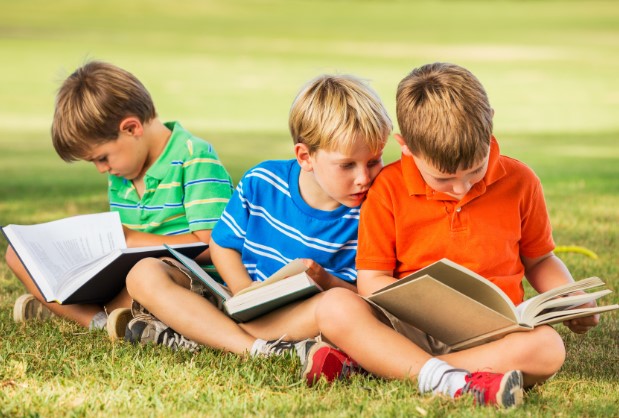
Preparing a child for school involves far more than purchasing supplies and choosing the right backpack. The habits, skills, and mindsets children develop before their very first day shape how confidently they engage with learning for years to come. Parents who take a thoughtful and proactive approach to early preparation give their children a meaningful advantage from the beginning. Small, consistent efforts made at home in the months and weeks before school starts make an enormous difference in how smoothly and happily the transition ultimately unfolds.
Establishing Consistent Daily Routines
Children thrive when they know what to expect, and school environments depend on structured, predictable schedules to function effectively. Introduce a consistent morning routine well before the school year begins, including regular wake times, mealtimes, and bedtimes that align with what school days will actually require. Practicing the full morning routine helps children internalize habits that reduce stress and confusion on actual school days. A predictable evening routine that includes genuine wind-down time and appropriate, consistent sleep builds the physical and mental energy children need to focus throughout the school day.
Building Early Literacy and Numeracy at Home
Formal academic instruction belongs in the classroom, but parents can naturally and joyfully support early literacy and numeracy through everyday activities at home. Reading together daily exposes children to rich vocabulary, narrative structure, and a genuine love of storytelling that transfers beautifully into school settings. Counting objects during grocery shopping, identifying letters on street signs, and playing simple matching or sorting games all build foundational skills in playful, pressure-free ways.
Strengthening Social and Emotional Skills
School requires children to share, wait, listen, and cooperate with others consistently throughout every day. Help children practice these skills by arranging regular playdates, group activities, or participation in community programs where peer interaction is naturally encouraged. Acknowledge and name emotions during everyday moments to help children develop emotional vocabulary and genuine self-awareness. Children who feel understood and equipped to manage their feelings approach classroom social dynamics with far greater ease and are much better prepared to form positive friendships and work productively alongside diverse peers.
Choosing Private Kindergarten to Support School Readiness
The school environment itself plays a powerful role in how well a child transitions and grows during these early years. Enrolling in a private kindergarten provides access to smaller class sizes and dedicated educators who can tailor learning experiences to individual needs and learning styles. These settings often offer enriched programs that appropriately challenge children while maintaining a consistently nurturing and supportive atmosphere.
Encouraging Independence and Problem-Solving
One of the most valuable things parents can do is gradually give children opportunities to handle everyday challenges on their own. Allow them to try putting on their shoes, opening a lunch container, or figuring out how a simple puzzle works before stepping in immediately to assist. Praise the effort rather than only the outcome to build genuine resilience and a healthy growth mindset. Children who feel capable of solving small problems independently carry that confidence into the classroom, where they engage more actively and recover more quickly from the inevitable setbacks of learning something new.
Conclusion
School readiness builds gradually through daily habits, shared experiences, and intentional preparation made at home. Parents who focus consistently on routines, emotional skills, and cultivating a love of learning give their children a powerful foundation for everything ahead. Every small effort made before that first school day contributes meaningfully to a smoother, more joyful, and more confident start.