
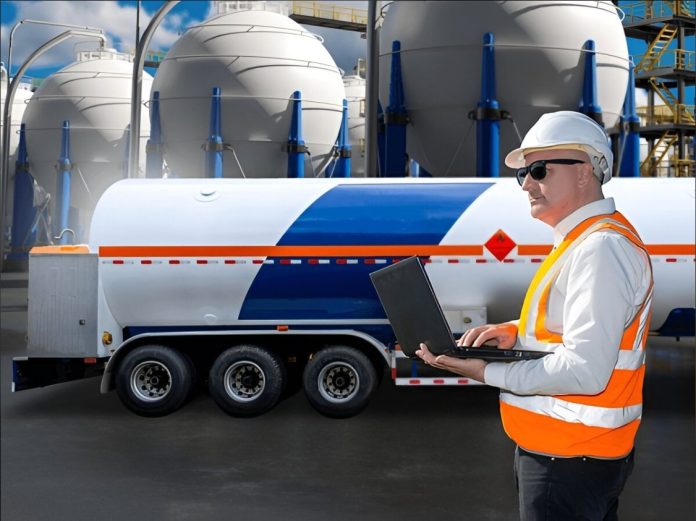
For a long time, tank inspection services were heavily concentrated in North America and parts of Europe. That’s where strict regulatory compliance, aging infrastructure, and mature oil and gas sectors created consistent demand. But lately — and honestly, pretty rapidly — things are shifting.
Asia-Pacific and the Middle East have quietly become some of the most active regions for tank construction, storage infrastructure expansion, and energy investment. And naturally, wherever tanks go, inspections follow. More tank inspection company are now expanding into these regions in ways that weren’t really happening a decade ago.
It’s not just about business growth either. It’s about adapting to different operating environments, regulations, cultures, and infrastructure challenges — and sometimes, learning things the hard way along the journey.
Why Asia-Pacific Is Becoming a Major Hub
Asia-Pacific is booming industrially. Countries like India, China, Indonesia, and Vietnam are investing heavily in refineries, chemical plants, LNG terminals, and fuel storage facilities. The region is building infrastructure at a pace that’s honestly impressive — sometimes overwhelming.
With all this development comes a huge need for inspection services. Many of these tanks are brand new, but inspection doesn’t only apply to old or damaged tanks. Proper inspection ensures new assets meet safety standards and remain reliable from day one.
Another big factor driving inspection demand in Asia-Pacific is environmental awareness. Governments are tightening regulations around spills, emissions, and groundwater contamination. And companies operating there are feeling the pressure to maintain international safety standards, especially if they’re working with global partners or investors.
That said, working in Asia-Pacific isn’t always simple. Inspection companies often deal with:
- Diverse regulatory frameworks across countries
- Remote or difficult-to-access project locations
- Rapid construction timelines that leave little margin for inspection delays
- Workforce training and skill development challenges
Still, the opportunities are massive. Many inspection firms are partnering with local service providers or establishing regional offices to stay competitive.
The Middle East: High Investment, High Expectations
If Asia-Pacific is growing fast, the Middle East is growing strategically.
Countries like Saudi Arabia, UAE, and Qatar have been investing heavily in energy infrastructure, petrochemical complexes, and large-scale storage terminals. These projects are massive, often involving thousands of storage tanks supporting refining, export, and distribution operations.
What makes the Middle East unique is the focus on cutting-edge technology and international compliance standards. Many companies operating in the region demand inspection services that align with API standards, advanced non-destructive testing (NDT), and digital inspection reporting.
Another interesting thing? The Middle East is increasingly adopting robotic and remote inspection technologies for water tank inspection services. Extreme climate conditions, including high temperatures and sand exposure, can make manual inspections physically demanding and risky. Automated tools are becoming more attractive, both for safety and efficiency.
However, entering this market often requires inspection companies to:
- Meet strict qualification and certification requirements
- Build strong relationships with national oil companies and contractors
- Adapt to region-specific safety protocols and operational practices
It’s not necessarily an easy market to enter, but for companies that succeed, the long-term project pipeline can be extremely rewarding.
Technology Is Helping Bridge the Expansion Gap
One reason tank inspection companies are expanding more easily today is technology. Remote inspection tools, cloud reporting platforms, and digital asset management systems allow inspection teams to collaborate globally without being physically present all the time.
For example, robotic crawlers and drones can capture inspection data in remote tank farms. That data can then be analyzed by engineering teams located anywhere in the world. This kind of hybrid inspection model is becoming increasingly common, especially in regions where skilled inspection professionals are still developing.
It’s honestly fascinating how technology is shrinking geographical barriers. A project might be located in Indonesia or Oman, but data review could happen in Texas or Europe within hours.
Challenges That Still Exist (Because Expansion Is Never Perfect)
Despite all the growth potential, expansion into emerging markets comes with real challenges. Logistics can be complicated. Importing specialized inspection equipment isn’t always straightforward. Local labor regulations, language barriers, and cultural differences can also slow project execution.
Then there’s the issue of training. Many emerging markets are investing in workforce development, but inspection technology is advancing so quickly that skill gaps sometimes appear faster than training programs can keep up.
And honestly, there’s also the balancing act of maintaining global quality standards while adapting to local project realities. That’s something inspection companies are constantly working to fine-tune.
Why This Expansion Matters for the Global Industry
The growth of tank inspection services in Asia-Pacific and the Middle East isn’t just good for business — it’s improving global safety standards overall. As inspection practices become more consistent across regions, storage infrastructure becomes safer, environmental risks decrease, and operational reliability improves worldwide.
It also encourages innovation. Companies entering new markets often develop creative solutions to address regional challenges, which eventually benefit projects everywhere.
Final Thoughts
Tank inspection companies expanding into Asia-Pacific and the Middle East are responding to massive infrastructure growth, stricter safety expectations, and rising environmental accountability. While these markets present challenges, they also offer significant opportunities for companies willing to invest in technology, partnerships, and workforce development.
And honestly, this expansion feels like a natural evolution of the inspection industry. Energy and storage infrastructure are becoming more global, so inspection services are following the same path — crossing borders, adapting to new environments, and raising safety standards along the way.
FAQs
- Why are tank inspection companies expanding into Asia-Pacific and the Middle East?
These regions are experiencing rapid industrial growth, infrastructure development, and increased regulatory focus on safety and environmental protection. - Which industries drive tank inspection demand in these regions?
Oil and gas, petrochemicals, LNG storage, water treatment, and chemical manufacturing are major contributors. - Are inspection standards the same globally?
Many projects follow international standards like API, but local regulatory requirements can vary significantly between countries. - How does technology support global inspection expansion?
Remote inspection tools, robotics, and cloud-based reporting allow companies to perform inspections efficiently across international locations. - What are the biggest challenges inspection companies face in emerging markets?
Regulatory complexity, workforce training, equipment logistics, and adapting to local business environments are common challenges.