
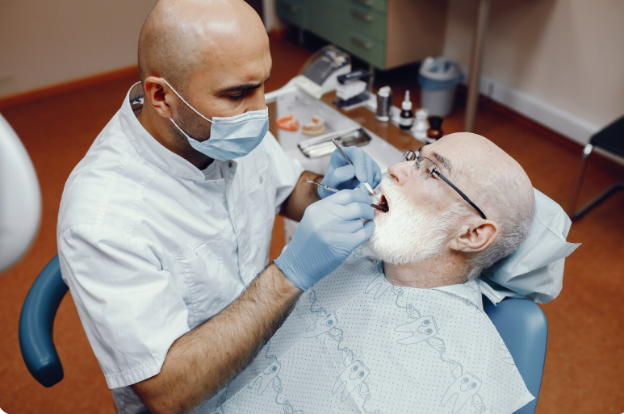
When we first experience a toothache or notice issues like cavities, we often try to fix them with home remedies. But this approach often leads to further complications, as most of these remedies serve only as temporary bandages rather than addressing the underlying issue.
In some cases, this negligence can lead to total tooth loss, and dentists have to remove the problematic teeth altogether. If you want to avoid further issues, the wisest approach is to get a dental implant, which not only improves your tooth alignment but also benefits your overall health. Let’s learn how dental impacts can help fix more than teeth.
Jawbone Preservation
After a tooth extraction, the jawbone loses the stimulation and deteriorates slowly. This gradual decay occurs due to bone resorption, a process that reduces jawbone size and density. The only way to preserve your jawbone is by introducing a dental implant.
A dental implant mimics a real tooth and helps with chewing and biting. These actions stimulate the jaw, and this constant stimulation helps prevent the jawbone from losing bone density and maintain its structure.
Prevent Teeth Misalignment
With tooth extraction, you are not only losing one tooth, but your surrounding teeth will also be affected. Every tooth provides structural support to the neighbouring teeth, so if one tooth is lost, the others try to fill the gap and adjust to stay together. But this results in crowding, malalignment, and overbite. To avoid these issues, your family dentist might recommend getting a dental implant after extraction.
Improve Nutrition and Digestion
People often start eating soft, plain food after tooth extraction because missing a tooth or two can make chewing hard foods difficult. Relying on soft food can be a temporary fix, but in the long run, you should consider dental implants so you can eat all kinds of foods, because most nutrition-dense foods like meat, vegetables, and some fruits require a bit more force to break down.
A missing tooth can also affect saliva production, which in turn hinders salivary enzyme production, further affecting digestion. So getting a dental implant in this situation can help prevent malnutrition.
Reduce Disease Chances
The missing place in the tooth becomes a breeding ground for all kinds of bacterial infections because food gets stuck there, and ensuring proper cleaning also becomes difficult. Over time, these issues can worsen, potentially leading to gum disease. If you want to protect your teeth from such damage, consider getting an implant after tooth extraction.
Conclusion
The goal of tooth extraction is to improve your overall tooth health, but this can be challenging as the remaining teeth and jawbone adjust to the change. During that adjustment, most of those changes are not very favourable and result in complications such as gum disease, jawbone issues, and tooth misalignment. But you can easily avoid these issues by getting dental implants; these new teeth will act just like your previous ones, helping you preserve your teeth’s health and maintain adequate nutrition and a proper smile.