
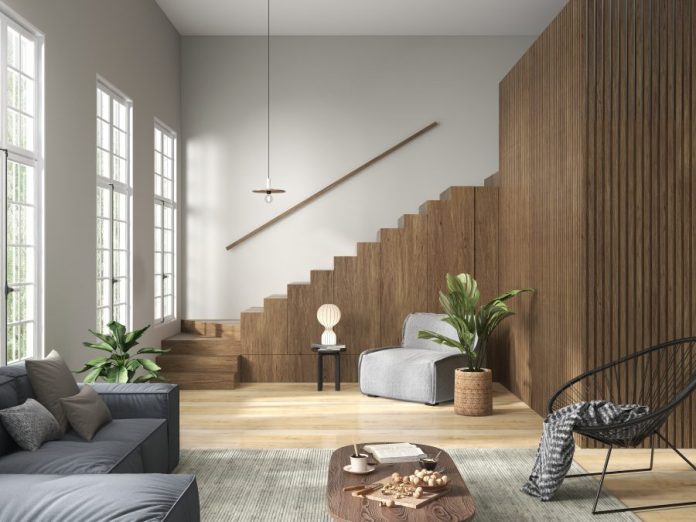
Introduction
Scandinavian house design is one of the most popular forms of interior design in the world, and for good reason. This design philosophy combines minimalism with warmth and livability. It is based on simplicity, functionality, and comfort. This style comes from Nordic countries like Denmark, Sweden, and Norway, and it shows how the weather, culture, and way of life in those places are.
Scandinavian home design can be just what you’re searching for if you like airy interiors with lots of natural light, clean lines, warm fabrics, and no clutter. In this complete tutorial, we’ll look at where this classic style came from, what its principles are, what its parts are, and how to use it in your home.
Where Scandinavian Home Design Came From
Scandinavian home design started in the early 1900s and became famous around the world in the 1950s. The Nordic region’s long, dark winters had a big impact on its growth. Even though there wasn’t much sunlight for much of the year, homes needed to feel bright, warm, and welcoming.
Designers from the Nordic region put a lot of thought into making things simple, well-made, and easy to get to. They put comfort and usefulness ahead of making furnishings that were too fancy or extravagant. This way of thinking is quite similar to the Danish idea of “hygge,” which is about comfort and health.
Scandinavian home design has changed over the years into a style that is known around the world for its clean lines, natural materials, and rooms that are easy to live in.
Basic Ideas Behind Scandinavian Home Design
You need to go beyond the looks and comprehend the theory behind Scandinavian home design to really get it. Here are the basic ideas behind it:
Simple and Minimalistic
Scandinavian interiors are simple and don’t have any extra decorations. But this simple style isn’t frigid or sterile. Scandinavian home design, on the other hand, strikes a balance between simplicity and warmth, making sure that rooms feel welcoming instead of bare.
First, Functionality
In a Scandinavian space, everything has a purpose. Furniture is useful, comfortable, and made to make life better every day. Scandinavian home design is all on making things look good and work well.
Make Natural Light a Priority
Nordic interiors make the most of natural light because there isn’t much of it in the winter. Scandinavian house design uses:
-
Big windows
-
Sheer curtains
-
Mirrors
-
Light color schemes
to make rooms look brighter.
Link to Nature
Natural things are very important. Scandinavian home design often includes:
-
Wood
-
Wool
-
Linen
-
Leather
-
Stone
-
Plants
to provide a sense of serenity and stability.
Warmth and Comfort (Hygge)
Hygge is more than simply a style; it’s a way of life. Soft lighting, layered fabrics, and comfy seating make sure that Scandinavian home design stays snug and livable.
Important Parts of Scandinavian Home Design
A Palette of Neutral Colors
Color is a small but important part. Some common aspects of Scandinavian home design are:
-
Sharp whites
-
Soft grays
-
Beiges that are warm
-
Pastels that aren’t too bright
-
Colors that are earthy
White walls are very frequent because they reflect light and make a room look bigger. Accent colors are employed sparingly yet with care.
Materials from Nature
Scandinavian home design is based on wood. Flooring and furnishings are often made of light woods like:
-
Oak
-
Pine
-
Birch
These materials make things feel warm and look great against white walls.
Other things are:
-
Throws made of wool
-
Curtains made of linen
-
Upholstery made of cotton
-
Rattan details
-
Ceramic decorations
The different textures keep the simple area from looking flat.
Straight Lines and Simple Shapes
Scandinavian home design has furniture that is elegant yet not stiff. It has:
-
Soft curves
-
Legs that get thinner at the top
-
Streamlined shapes
-
Structures that are light
This makes sure that rooms don’t feel packed and instead feel open and airy.
Scandinavian Home Design Furniture
People all throughout the world know Scandinavian furniture. Designers put a lot of emphasis on quality, comfort, and usefulness. The global success of firms like IKEA, which is based on Scandinavian ideas of affordability and simplicity, is a perfect illustration of Nordic utility.
Living Room
You can typically find these things in a Scandinavian living room:
-
A couch with a neutral color
-
A coffee table made of wood
-
Few shelves
-
Light fixture for a statement
-
Rugs with layers
Comfort is important. To make the crisp lines softer, add pillows and rugs.
Eating Area
Scandinavian dining rooms are made for getting together. A wooden dining table and modest chairs make the room feel warm and welcoming. Pendant lights over the table are both stylish and useful.
Bedroom
Bedrooms are peaceful places. In Scandinavian bedroom design, the focus is on:
-
Bedding that isn’t too bright
-
Bed frames made of wood
-
Little decoration
-
Lighting that is soft
-
Soft fabrics
The goal is to make a peaceful place to stay.
Scandinavian Home Design Lighting
One of the most important parts of Scandinavian house design is lighting. Layered lighting is important because winters are so gloomy.
Different Kinds of Lighting Used
-
Ceiling lights for ambient lighting
-
Task lighting, like desk lamps and reading lights
-
Accent lighting, including wall sconces and candles
Candles are very popular and add to the cozy atmosphere. Soft, warm lighting helps keep the ambiance cozy.
In Scandinavian homes, pendant lights with sculptural shapes are often the main focus.
Hygge and Scandinavian Home Design
Scandinavian home design is heavily influenced by the Danish idea of hygge. Hygge is about making your daily life warmer, more comfortable, and happier.
To Add Hygge
-
Put in soft blankets
-
Use light that is warm
-
Add real wood tones
-
Keep spaces small and tidy
-
Add personal objects that mean something to you
Scandinavian home design doesn’t try to be perfect; it tries to be comfortable.
Adding Scandinavian Home Design to Modern Homes
You don’t have to reside in a Nordic nation to like this style. This is how to add Scandinavian style to your current home:
First, Get Rid of the Clutter
Get rid of things you don’t need. Make storage easier and clear off surfaces.
Lighten Up the Walls
Choose white or soft neutral colors to get the most light reflection.
Pick Furniture That Is Useful
Buy furniture that can be used for more than one thing and looks good at the same time.
Put in Some Texture
Add texture to minimalism by stacking rugs, pillows, and throws.
Bring the Outdoors Inside
Add houseplants, wood decorations, and natural fabrics to your home.
Scandinavian Home Design Compared to Other Minimalist Styles
Scandinavian home design is sometimes likened to Japanese minimalism or modern design, yet it has its own particular warmth and friendliness.
It doesn’t use harsh materials like bare metal, which is different from industrial minimalism. It likes softness and comfort, which is different from ultra-modern environments. The outcome is a look that is both welcoming and elegant.
Scandinavian Home Design for Small Spaces
One reason Scandinavian house design is so popular is that it works well in small apartments.
Some Strategies Are
-
Plans for open floors
-
Storage that goes on the wall
-
Light color schemes
-
Furniture that can be used for many things
-
Mirrors that bounce light back
Even small areas feel big when you get rid of clutter and make them as bright as possible.
Sustainable Parts of Scandinavian Home Design
Nordic culture is all about being sustainable. Scandinavian house design focuses on:
-
Materials that last
-
Craftsmanship of the highest level
-
Timeless looks
-
Making things in a way that doesn’t hurt the environment
This philosophy encourages investments that will stay instead of chasing trends that change quickly.
Scandinavian Home Design Changes with the Seasons
Scandinavian interiors change with the seasons in small ways:
Winter
-
More candles
-
More heavy fabrics
-
More neutral tones
Summer
-
Fabrics that are lighter
-
New flowers
-
More natural light
This seasonal adaptability makes Scandinavian house design both interesting and consistent.
Things You Shouldn’t Do
When you embrace Scandinavian house design, stay away from:
-
Too much decoration
-
Picking white tones that are too frigid
-
Not paying attention to texture
-
Using bright lights
-
Buying things that are only for decoration and not for use
Keep in mind that balance is key.
Why Scandinavian Home Design Will Never Go Out of Style
Trends come and go, but Scandinavian house design is still popular because it meets basic human needs:
-
Relaxation
-
Lightness
-
Simplicity
-
Functionality
-
A link to nature
Its ageless appeal comes from its ability to change. This design philosophy makes everyday life better, whether you live in an apartment in the city or a house in the suburbs.
Conclusion
Scandinavian home design is more than just a style; it’s a way of life. It makes environments that feel serene, bright, and welcoming by putting comfort, functionality, and natural materials first.
If you want to make your home more Scandinavian, you can either completely redesign it or just add tiny Nordic-inspired elements. Either way, Scandinavian home design can turn your living area into a peaceful retreat that is both beautiful and useful.
Scandinavian home design is the best way to make your home feel serene but purposeful, simple but warm, and elegant but homey.