
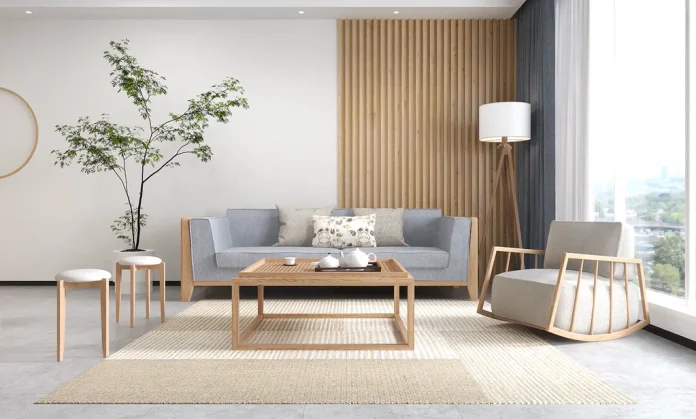
Introduction
Scandinavian interior design is now one of the most popular and important forms of design in the world. This design style is known for being simple, useful, and warm. It strikes a balance between minimalism and comfort that feels both modern and welcoming. Scandinavian interior design comes from Denmark, Sweden, and Norway. It shows how people live, what the weather is like, and how they live.
You may have already seen the beauty of Scandinavian interior design if you’ve ever liked bright white spaces, natural wood accents, soft textiles, and furniture with clean lines. In this complete guide, we’ll look at its history, main features, color schemes, furniture, lighting, decor, and useful advice to help you turn your home into a peaceful Nordic refuge.
Where Scandinavian Interior Design Came From
Scandinavian interior design has its roots in the early 1900s, but it became popular around the world in the 1950s. People generally call this time the “golden age” of Scandinavian design. It focused on craftsmanship, simplicity, and democratic design, which means that everyone should be able to afford beautiful and useful things.
Alvar Aalto and Arne Jacobsen are two designers who had a big impact on Scandinavian interior design. Their work combined natural shapes with useful features, which is how we got the style we know today.
Scandinavian interior design was also affected by the long, dark winters in Nordic countries. Homes were built to let in as much natural light as possible and make people feel at home and comfortable throughout the winter. Scandinavian home design is still based on the cultural value of warmth and simplicity.
Key Ideas Behind Scandinavian Interior Design
At its core, Scandinavian interior design is based on a few key ideas:
Minimalism and Simplicity
Scandinavian interior design likes places that are neat and have clear lines. But unlike extreme simplicity, it doesn’t feel frigid or sterile. The goal is to maintain only what is useful and important.
In a Scandinavian interior design plan, everything has a purpose, whether it’s useful, artistic, or emotional.
Usefulness
Functionality is very important in Scandinavian interior design. Furniture and decorations need to be useful and comfy. In Scandinavian houses, it’s typical to see furniture that serves more than one purpose, such as:
-
Storage benches
-
Tables that can be made bigger
Light from the Sun
It’s really important to get as much light as possible in the winter in the Nordic countries. To make rooms brighter, Scandinavian interior design usually includes:
-
Big windows
-
Sheer curtains
-
Materials that reflect light
Link to Nature
Scandinavian home design is all about using natural materials. People often utilize:
-
Wood
-
Wool
-
Leather
-
Linen
-
Stone
These materials make their homes seem warm and textured.
Comfort and Hygge
Scandinavian interior design is very much based on the Danish idea of hygge, which means feeling cozy and happy. Soft blankets, pleasant lights, and appealing seating locations make people feel comfortable and good.
Scandinavian Interior Design’s Color Palette
The color scheme is one of the most identifiable parts of Scandinavian interior design.
Foundations That Are Neutral
Scandinavian home design is known for its white walls. They bounce light around and make a clean background for furniture and decorations. Other typical base hues include:
-
Soft grays
-
Beige
-
Mild taupe
Earthy Touches
Accent colors are usually soft and influenced by nature:
-
Blue that seems dusty
-
Green sage
-
A light pink blush
-
Warm terracotta
-
Gray charcoal
These colors give warmth without making the simple look of Scandinavian interior design too busy.
Harmony in One Color
A lot of Scandinavian interiors utilize a monochromatic color scheme with different materials to make the area feel deeper. For instance, putting light oak furniture and cream-colored linens with white walls makes the room look interesting while still keeping it together.
Scandinavian Interior Design Furniture
Furniture is an important part of Scandinavian interior design. Most of the time, the pieces are simple, with soft curves and legs that go thinner at the bottom.
Lines That Are Clean and Shapes That Are Natural
Scandinavian home design likes furniture with simple shapes and little decorations. Curved edges make the image softer and more inviting.
Real Wood
Scandinavian interior design often uses light woods like oak, birch, and pine. Wood is used to make:
-
Floors
-
Tables
-
Chairs
-
Shelves
-
Wall panels
Famous Pieces
Some famous pieces of furniture are now closely associated with Scandinavian home design. The Egg Chair by Arne Jacobsen is a great example of how to combine art with comfort.
Brands like IKEA have also made Scandinavian interior design popular all over the world by making Nordic-inspired furniture cheap and easy to get.
How to Light a Scandinavian Interior
One of the most significant parts of Scandinavian home design is the lighting.
Lighting in Layers
Scandinavian home design uses more than one light source instead of only one overhead fixture:
-
Lamps on the floor
-
Lamps for tables
-
Sconces on the wall
-
Lights with pendants
-
Candles
This layered look adds warmth and depth.
Temperature of Warm Light
Warm white bulbs (around 2700K) add to the comfortable feel that is so important to Scandinavian home design.
Pendants with Statements
Simple geometric designs or organic curves on pendant lights commonly draw the eye in dining rooms or living rooms.
Textiles and Soft Furnishings
Textiles make Scandinavian interior design soft and comfortable.
Fabrics Made from Nature
Some common materials are:
-
Wool
-
Linen
-
Cotton
-
Sheep skin
These materials add texture while keeping the Scandinavian style of interior design seeming natural.
Putting on Layers to Stay Warm
Using rugs, throws, and pillows in layers adds depth and interest to the room. Textured pillows and a thick knit blanket may change a plain sofa into something special.
Scandinavian Style in Different Rooms
Living Room
A Scandinavian-style living room usually has:
-
A couch that isn’t too bright
-
A table for coffee made of wood
-
A rug that is soft
-
Art on the walls that isn’t too much
-
Lots of light from the sun
There isn’t much clutter, and the beautiful things are there on purpose.
Kitchen
Kitchens with Scandinavian interior design often have:
-
Cabinetry in white
-
Shelves that are open
-
Countertops made of wood
-
Matte black or brass hardware
Functionality and ease of use are important.
Room for Sleeping
Comfort is the most important thing in a Scandinavian-style bedroom:
-
Bedding that is crisp and white
-
Layered throws
-
Little decoration
-
Gentle light
The idea is to make a tranquil place to get away.
Toilet
In Scandinavian interior design, bathrooms use:
-
Tiles that aren’t too bright
-
Accents made of natural wood
-
Simple fixtures
-
Fresh plants
The space is defined by its clean lines and usefulness.
Scandinavian Interior Design Uses Decorative Elements
Scandinavian interior design is simple, yet it has a lot of character.
Art for the Walls
Most of the time, the art is simple and abstract, and it’s usually in black and white. The walls of the gallery are carefully chosen to keep things in balance.
Plants for the Inside
Plants bring life and a natural touch to Scandinavian home design, which is all about connecting with nature.
Decor That Works
Ceramic vases, woven baskets, and wooden trays are examples of things that can be used for both decoration and function.
How to Get Scandinavian Style in Your Home
To add Scandinavian style to your home, do these things:
Get Rid of Clutter
Get rid of things you don’t need first. Simple is what makes Scandinavian interior design work.
Pick a Neutral Base
To make a bright base, paint the walls white or light gray.
Use Natural Materials
Add wood furniture, linen drapes, and wool carpets.
Choose Quality Over Quantity
Scandinavian home design prioritizes good craftsmanship and long-lasting items.
Pay Attention to the Light
Use more than one light source and warm bulbs to set the mood.
Make It Comfortable
To keep the room from feeling too bare, add soft fabrics and personal accents.
Scandinavian Interior Design Compared to Other Styles
Minimalist vs. Scandinavian
Minimalism and Scandinavian interior design both stress simplicity, but Scandinavian design adds warmth and texture, whereas minimalism can sometimes feel more cold and industrial.
Scandinavian vs. Modern
Bold contrasts and smooth finishes are common in modern design. Scandinavian home design uses natural materials and comfortable accents to soften modern aspects.
Scandinavian vs. Bohemian
Bohemian style is bright and all over the place, while Scandinavian interior design sticks to a limited color scheme and a set pattern.
Why Scandinavian Interior Design Is Still Popular
There are a number of reasons why Scandinavian interior design is still popular around the world:
-
It helps clear your mind by keeping things tidy.
-
It puts a lot of stress on comfort and health.
-
It fits well in homes of all sizes.
-
It strikes a balance between beauty and usefulness.
Scandinavian interior design is a peaceful option that supports living with purpose in a world that is getting busier all the time.
Conclusion
Scandinavian interior design isn’t simply a trend; it’s a way of life based on comfort, simplicity, and purpose. You can make your home feel both modern and friendly by using neutral colors, natural materials, well-thought-out lighting, and clean spaces.
Scandinavian interior design is a classic way to live stylishly and on purpose, whether you’re redoing one room or your whole house. Its emphasis on light, warmth, and usefulness will keep your room attractive and comfortable for years to come.
If you want to change your home, start simple by getting rid of things you don’t need, adding natural textures, and picking furniture that looks well and works well. These tips will help you learn how to do Scandinavian interior design and make your own home a peaceful Nordic retreat.